What 'Off-Book' Means
Knowing the lines well enough to put the script down.
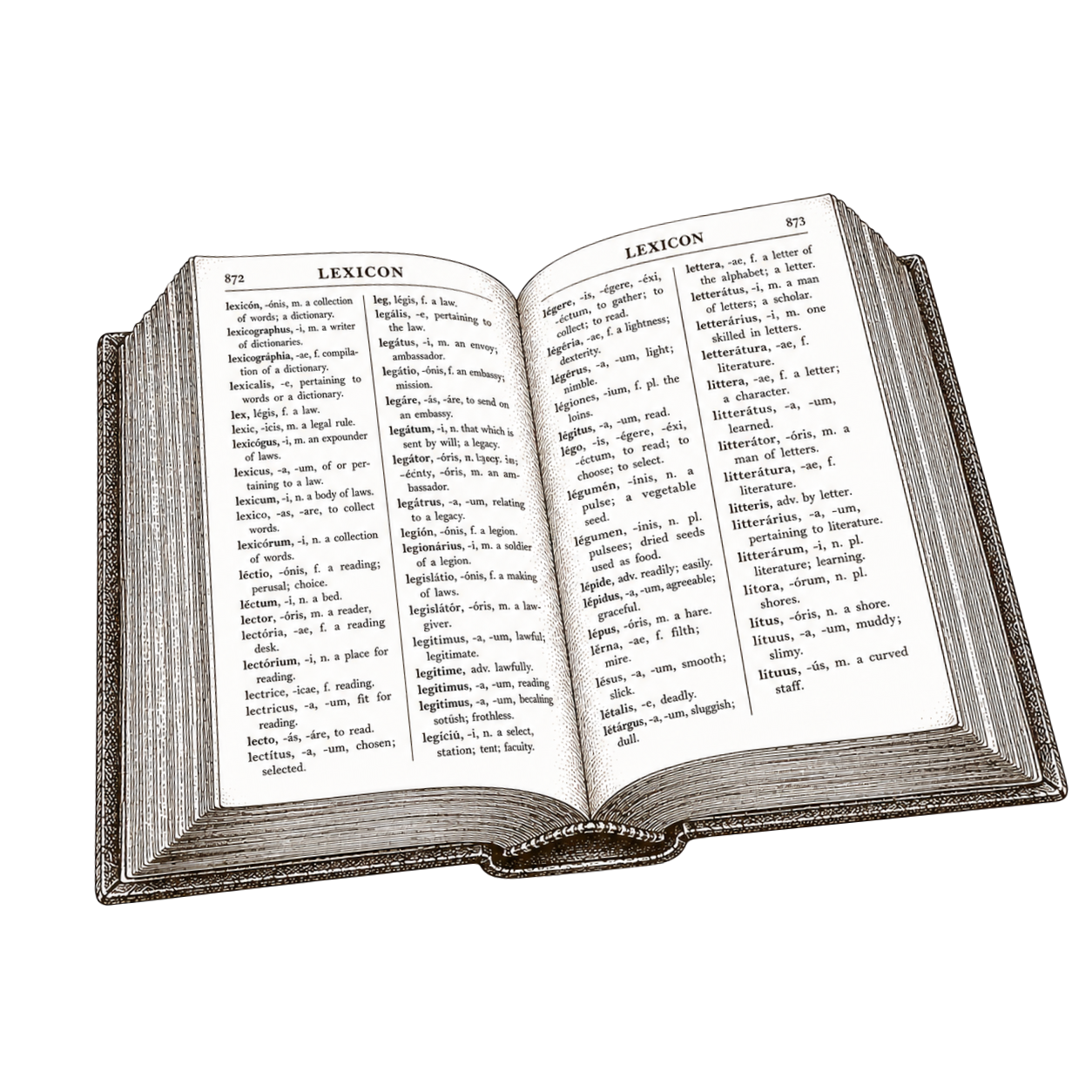
Off-book means you know your lines well enough to rehearse without the script in your hand. A director who says "we're off-book Monday" is telling the company that by Monday the scripts go down and nobody reads from the page. It is a point in the process, not a grade. You are either holding the script or you are not.
The word is older than film and comes straight from the theater, where rehearsals are split into a "book" phase, with scripts in hand, and an off-book phase, where actors carry the lines themselves and a stage manager is "on book" to feed a line if someone goes up. To go up, by the way, is to forget where you are, which is exactly the moment off-book gets tested.
Here is the part worth understanding. Being off-book is not the finish line. It is the starting line. While the script is in your hand, your eyes are down, your free hand is occupied, and you cannot fully look at the other actor or move freely through the scene. The real work, the looking and the listening and the playing of intention, can only begin once the page is gone. That is why directors push the company off-book early; they are not testing memory for its own sake, they are clearing the way for the acting.
An example. You have a two-page scene and you can recite every line of it alone in your kitchen. That is memorized. Now you stand it up with a scene partner who changes the read, and half your lines stick in your throat because your recall was tied to your own rhythm rather than to the other person. That is the gap between memorized and off-book proof. Off-book holds up when the scene changes around you.
There is also a quieter danger. An actor who is technically off-book but only just, with the lines balanced on the edge of memory, will spend the whole scene watching for the next word instead of living in the moment. The lines have to be under you, not in front of you, before you can stop minding them. That is the work that comes after you first put the script down, and it is the work that makes a performance look unrehearsed.
If getting there is the problem in front of you, the off-book lane lays out how actors actually do it: chunking the material down to a size memory can hold, hand-copying the sides, drilling what comes after each cue, and running the scene with deliberate gaps to find the lines that are not yet solid. The goal is never recitation. The goal is to make the words so much your own that you forget you ever learned them.