Stage Superstitions
Whistling, mirrors, money, peacock feathers, and the good dress that promises a bad opening.
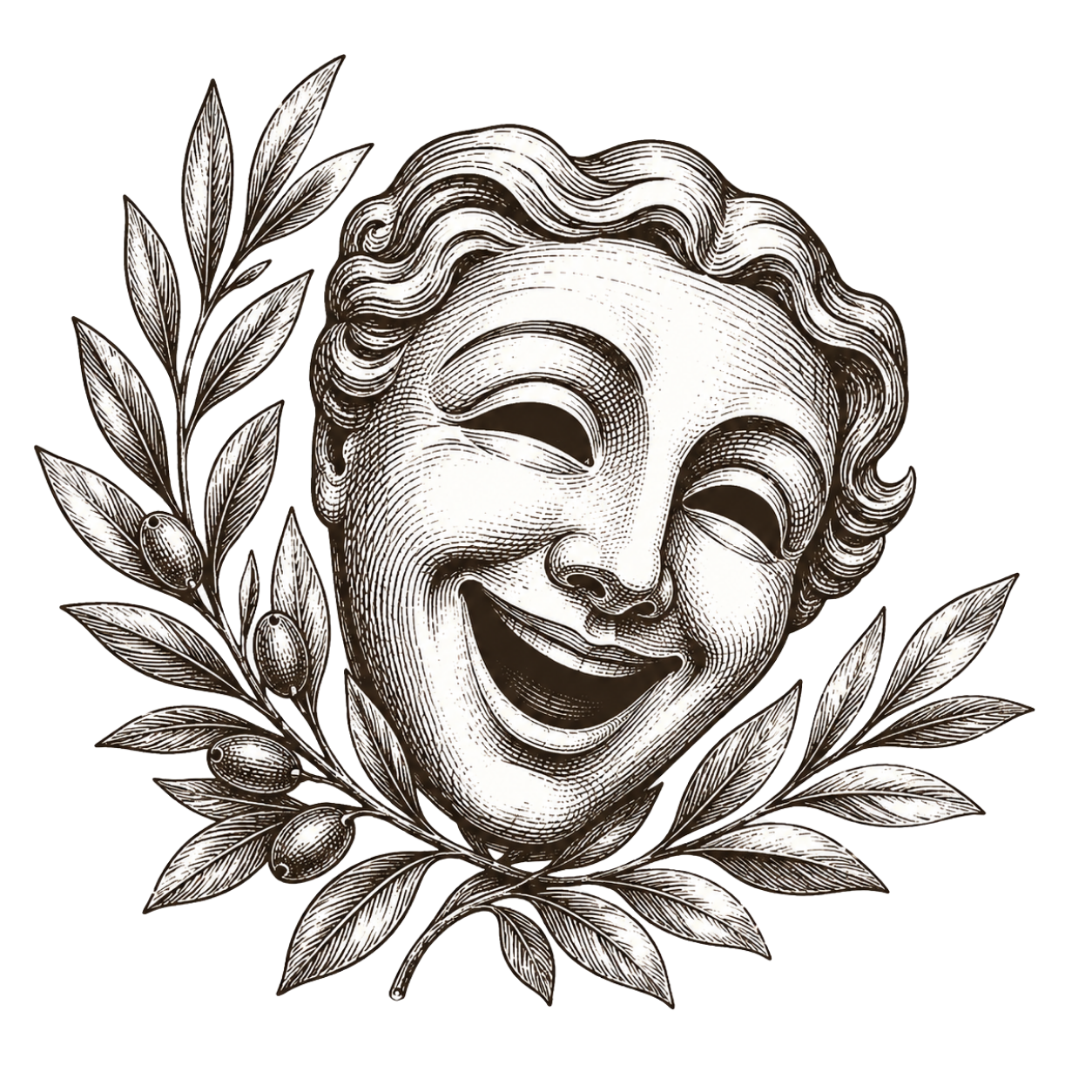
Past the famous ones, the theater keeps a long list of smaller rules. Most are not believed so much as observed, the way you knock on wood without deciding to. What is striking about them is how many have a genuine practical root buried under the superstition. Dig under the omen and you usually find a stagehand, a fire risk, or an expensive piece of cloth. Here is the working tour.
No whistling backstage
The oldest and best documented of the lot. Before electric intercoms, scenery was flown in and out by stagehands hauling ropes high above the stage, and many of those hands were off-duty sailors hired for their skill with rigging. The crews used coded whistles to call cues, signaling each other to drop a backdrop or raise a batten. An actor who whistled backstage could, in theory, throw a false cue and bring a heavy sandbag or a length of scenery down on someone's head.
The danger is gone, the rule remains. Whistle in the wings of a traditional house and an older hand will still tell you to stop. The origin is real, which is why this one has teeth.
No real mirrors on stage
A practical superstition. Mirrors are a lighting director's nightmare: they catch the stage lights and throw glare into the audience's eyes, or reflect the wings and reveal the crew waiting offstage. They are heavy, fragile, and expensive to replace if a flat falls. Out of those real headaches grew the belief that a real mirror on stage is simply bad luck. When a scene needs one, productions use a frame with no glass, or angled gauze, and let the actor mime the reflection.
No real money
Real currency on stage is discouraged, part practical and part omen. Practically, real money invites loss and theft and tends to look wrong under stage light anyway. As superstition, handling real money in a fiction is thought to leak bad fortune into the run. Prop money is the standard, and it is the right call for reasons that have nothing to do with luck.
The bad luck of a good dress rehearsal
One of the most repeated beliefs in the theater: a smooth, flawless final dress rehearsal means a rough opening night, and a disastrous dress means a triumphant opening. "Bad dress, good show."
There is no mechanism here, only folklore, but it endures because it is half comfort and half caution. A clean dress can breed complacency; a messy one keeps a company sharp and humble going into the first performance. Whether the superstition causes the effect or just consoles a panicked cast the night before they open, actors hold to it either way.
Peacock feathers
No peacock feathers on stage, ever, not in a costume, a prop, or the set dressing. The eye-shaped pattern in the feather is read as an "evil eye," an old and widespread superstition far older than the theater, and the feathers are blamed for collapsed sets, forgotten lines, and ruined runs. Whatever you make of it, designers tend to honor the ban rather than test it.
The color blue, and a few more
Wearing blue on stage was once thought unlucky, with one charming rationalization: blue dye was costly, so a company that could afford blue costumes was either genuinely wealthy or bluffing to look it, and the only way to break the jinx was to pair the blue with real silver, proof the money was actually there. The belief faded as dye got cheap, but the story survives.
A scattering of others you will meet:
- Don't speak the final line of the play in rehearsal. Save it for an audience; speaking it early is thought to court a bad opening.
- Flowers come after, not before. Giving a performer flowers before the show is unlucky; they belong at the curtain call.
- Bad luck to wish "good luck" outright, which is the whole reason for the good-luck curse you say instead.
What to make of them
None of these will change a performance, and most working actors will tell you they do not believe a word. They keep them anyway, and the reason is the same one running under every house tradition: the rules are a shared language. Observing them, even with a raised eyebrow, marks you as someone who knows the building you are standing in. The whistle has a real history. The mirror has a real reason. The peacock feather has only a story, and the story is enough.