The Ghost Light
The single bulb left burning on a dark stage, for the living and for whatever else is there.
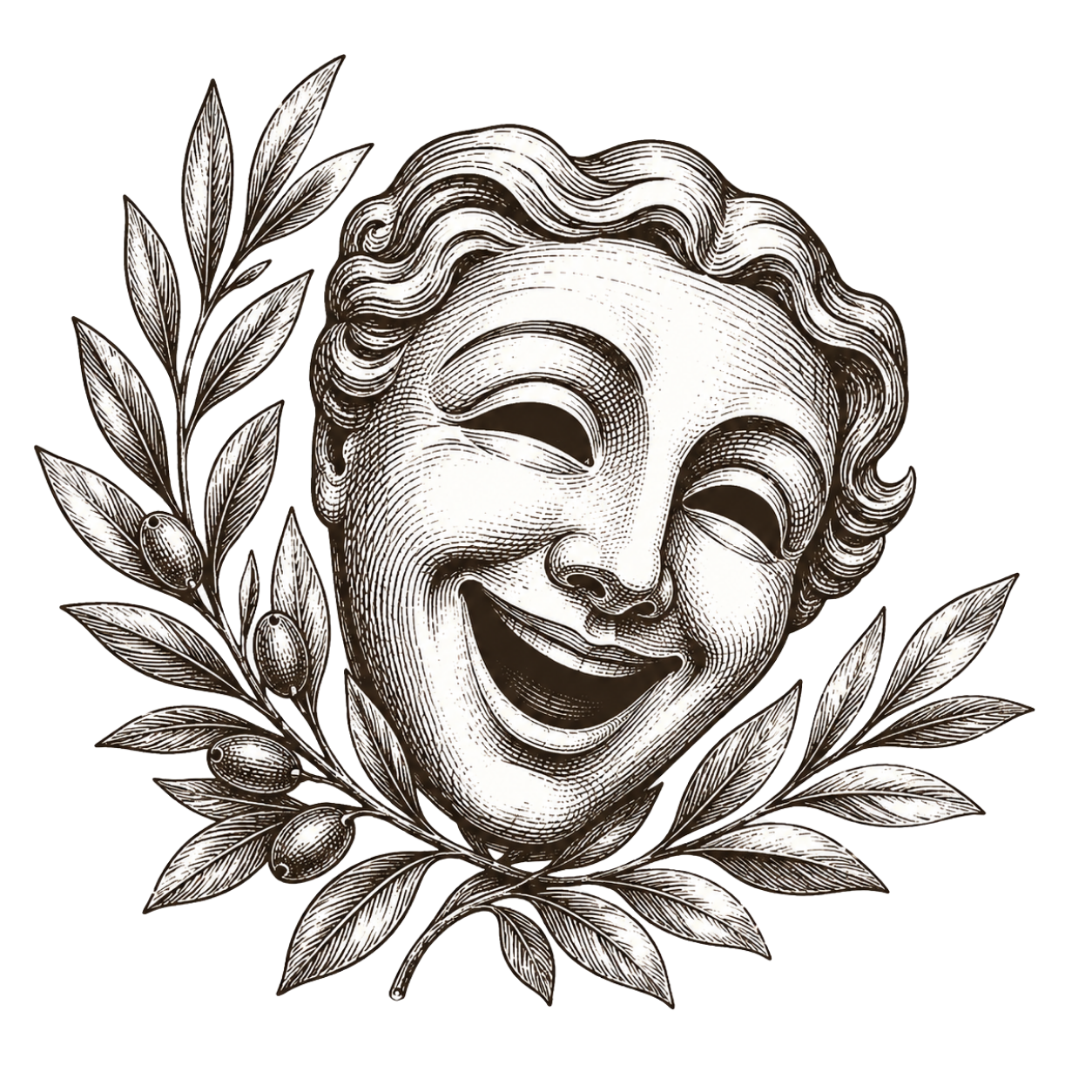
Walk into a theater after the show has closed for the night, after the audience is gone and the work lights are off, and the stage is not quite dark. A single bare bulb stands on a stand near center, burning. It is called the ghost light, and it is one of the few theater traditions that is at once entirely practical and entirely haunted. Both readings are true. That is why the custom has lasted.
The practical reason
Start with the plain one, because it is the real one. A dark stage is dangerous. A theater stage is a cliff: the edge drops into the orchestra pit or down into the house, the wings are crowded with set pieces and rigging, and trapdoors and lifts may be open. The first person into the building in the morning, or the last one out at night, is moving through all of that in the dark, reaching for a switch that is often on the far side of the stage from the door.
The ghost light solves it. One bulb left burning means no one ever has to cross a pitch-black stage to find the lights. It marks the edge, shows the path, and keeps a stagehand from walking into the pit. Most working theaters treat it as a basic safety practice, and many house rules require it. If the lore vanished tomorrow, the light would stay on for this reason alone.
The superstition
Now the better story. The tradition holds that the light is left for the theater's ghosts.
The beliefs branch from there. One version says every theater is haunted, that the spirits of those who lived and worked and performed there never quite leave, and that the ghost light keeps them company so they are not left alone in the dark. Another says the light lets the ghosts put on their own performances on the empty stage, a small courtesy that keeps them content and keeps them from meddling with the living company's shows. A third says simply that a theater should never be left in total darkness, that full dark is an invitation for bad luck or restless spirits to settle in, and the single flame holds them off.
Famous houses keep their named ghosts, and the light is often spoken of as theirs. Whether the company believes it or not, the romance of the custom is part of why no one wants to be the one who switches the last bulb off.
Why both stories survive
What makes the ghost light worth its own entry is the way the two explanations hold each other up. The safety reason is the bedrock; the lore is what makes people keep the bedrock with care. A rule you might let slide becomes a rule you keep when it carries a story. An actor who would never admit to fearing a ghost will still, without quite deciding to, make sure the light is burning before locking up.
You will find the same doubled logic across the rest of the house superstitions: a working reason underneath, a better story on top, the story doing the work of keeping the reason alive. The ghost light is the cleanest example of it. The bulb is there so nobody falls into the pit. It is also there because the theater, when it is empty, is never quite empty, and it seems unkind to leave it dark.
A small ritual of the trade
The light gets switched on by the last person out and off by the first person in, which means it quietly marks the boundary of the working day. There is a calm in that, the same focused calm a green room carries ten minutes before a call. The show is down, the house is locked, and a single light stands center stage, holding the place for tomorrow's company and for whoever else might want the boards tonight.