The Scottish Play
Why no one says Macbeth inside a theater, and what you do if you slip.
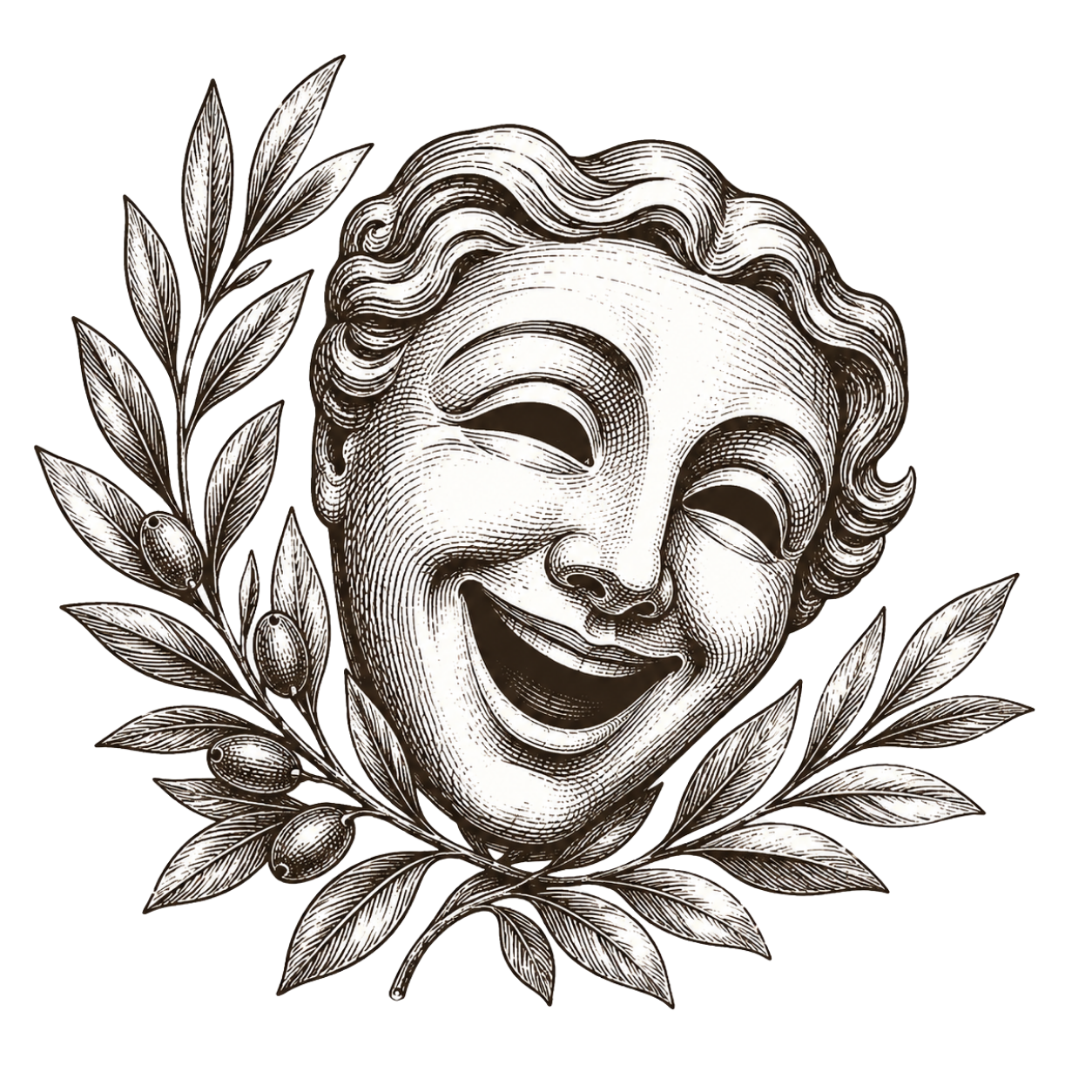
There is one play you do not name inside a theater. Say it in the lobby, say it in the street, say it in a review, and nothing happens. Say it in the building, in the wings, on the stage, anywhere the production lives, and you have invited disaster onto the show. So actors call it the Scottish play. They call it the Bard's play, or Mackers, or simply that play. They name the title character as the Scottish king and his wife as the Scottish queen. The superstition is among the oldest and most fiercely kept in the trade, and the people keeping it are often the same ones who insist they are not superstitious at all.
The rule
The taboo covers the title and, by most accounts, the lead characters' names and direct quotation from the text, when spoken inside a theater outside of rehearsal or performance. The play itself is performed constantly, which is the part outsiders find confusing. You may speak every line on stage in the show. What you may not do is invoke the name idly, backstage, where the work is not protecting you.
If you break the rule, the belief runs, you bring bad luck on the production: injuries, accidents, flubbed cues, runs that collapse. The play has a long reputation for things going wrong around it, and the superstition is the company's way of keeping the danger named and at arm's length.
The cleansing ritual
Slip and say it, and you are not doomed. There is a remedy, and like the rest of this lore it varies by house. The most common version: the offender leaves the room, turns around three times, spits, swears or speaks a profanity, then knocks and asks permission to come back in. Some traditions add a quotation in place of the curse, a line from elsewhere in Shakespeare used as an antidote. "Angels and ministers of grace defend us" from Hamlet is the usual choice. Others quote from A Midsummer Night's Dream.
The details matter less than the doing. The ritual is a way to acknowledge the breach, perform a small act of contrition, and let the company move on without the unease sitting in the room. Whether or not anyone believes in the curse, the cleansing settles the air.
Where it comes from
The documented and the legendary sit side by side here, and it is worth keeping them apart.
The legends. The richest story holds that Shakespeare put real witchcraft into the witches' scenes, genuine incantations lifted from actual covens, and that the play has been cursed ever since for the offense. Another legend, often repeated, claims the boy actor playing Lady Macbeth died suddenly at or near the first performance around 1606, forcing Shakespeare himself to step into the role. There is no contemporary record of either, and both have the polished feel of stories told backward to explain a reputation the play already had.
The grounded explanation. The likeliest real root is plainer and, in its way, sadder. Macbeth is short, popular, and reliably sells tickets. For centuries, a struggling theater company facing empty houses would often stage it as a last resort to pull a crowd. The play would go up, the money would or would not come, and when a failing company finally folded, Macbeth was frequently the show that had been running as they went under. Over generations, the play became associated with theaters in trouble, not because it caused the trouble but because it was the show desperate companies reached for. The curse, in this reading, is a correlation that hardened into a omen.
The practical layer. There is a physical case too. The play is dark, dimly lit, full of swordplay, stage blood, and witches crossing a crowded set in low light. A production with that many fights and that many shadows simply has more chances for someone to get hurt, which keeps the reputation fed.
Living with it
You do not have to believe a word of it to keep the rule, and most actors keep it for exactly that reason. It costs nothing to say "the Scottish play," it signals that you know the house you are standing in, and it spares you the eye-rolls and the genuine unease of the people around you who do, a little, believe. The superstition is a courtesy as much as a fear. Like the good-luck curse you trade before a show, it is part of the language of belonging backstage.