Uta Hagen's Technique
Practical, craft-first acting built on plain questions and substitution.
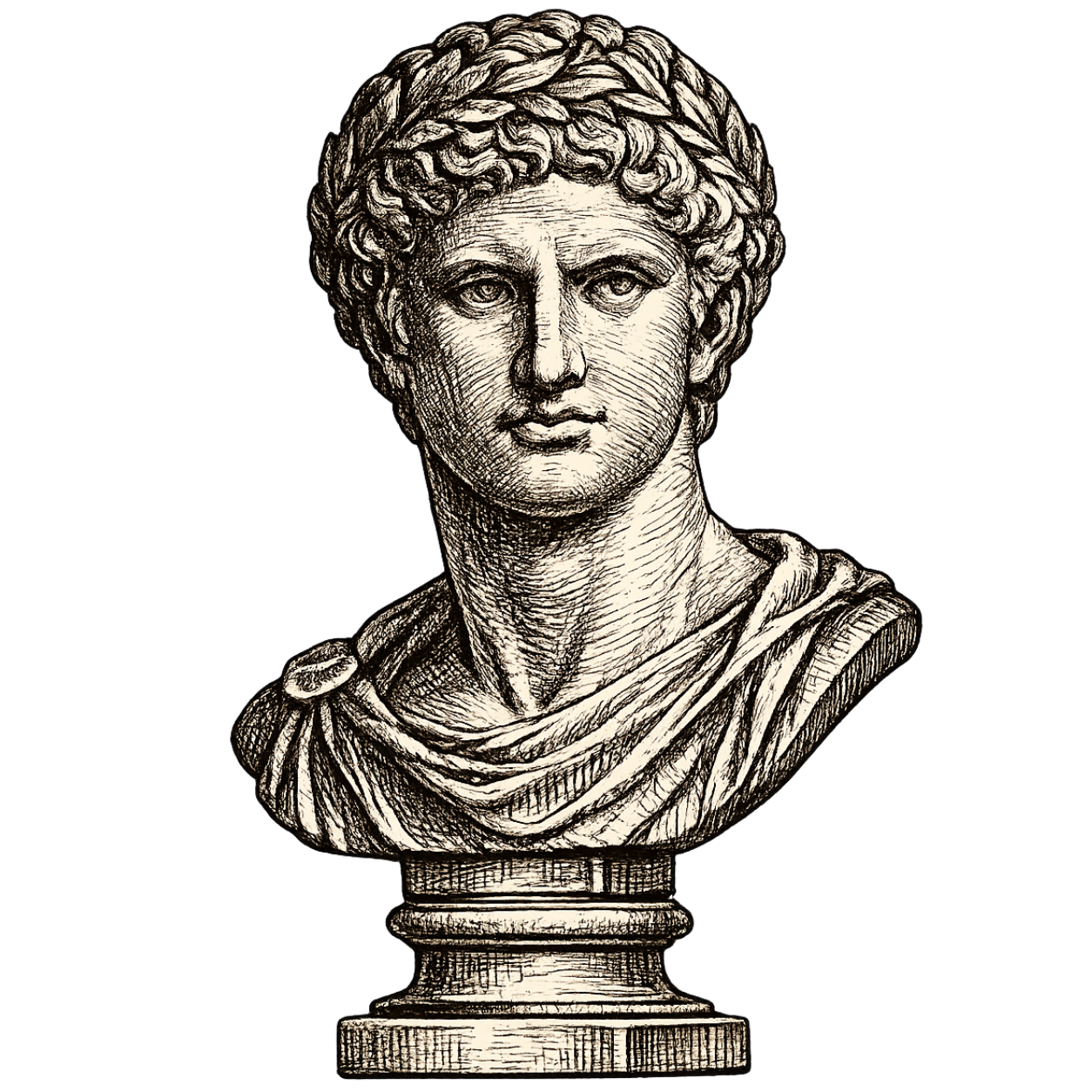
Uta Hagen was a working actress of the first rank and a teacher at the HB Studio in New York for more than half a century, and her technique has a quality the others sometimes lack: it is relentlessly practical. Where some traditions can drift toward the mystical, Hagen kept her feet on the floor of the rehearsal room. Her aim was not a philosophy of acting but a set of concrete, usable tools an actor could pick up and apply to any scene, tonight, without years of conditioning. She laid them out in two books, Respect for Acting and the later A Challenge for the Actor, which generations of American actors have kept within reach. If you want a technique that tells you what to actually do when you sit down with a scene, this is the one.
Substitution and transference
Hagen's signature tool is substitution, which she later refined and called transference. The idea is a careful middle path between Strasberg's raw emotional memory and Adler's pure imagination. When a scene asks for a feeling or a relationship the actor cannot find honestly, they substitute a real person, place, or object from their own life that carries an equivalent charge, and let that genuine connection feed the imaginary one. You are not reliving a past trauma whole; you are borrowing a real, manageable emotional reality and transferring it onto the character's situation so that your response in the scene becomes true. It grounds the imaginary circumstance in something you actually know, without the risk of opening a wound you cannot close.
The questions
Hagen is best known among working actors for a set of plain questions that cut straight to the core of any role. The essential ones are simple enough to ask in the wings: Who am I? What time is it? Where am I? What surrounds me? What are the given circumstances? What is my relationship to the others? What do I want? What is in my way? What do I do to get what I want? They look almost too basic, and that is the point. An actor who can answer all of them, specifically and out loud, has done the real work; a vague answer anywhere is a hole the audience will see. The questions are a fast diagnostic for a scene that is not landing, and they map cleanly onto the objectives and obstacles at the heart of scene study.
Object exercises and the real
Hagen put enormous weight on physical reality and behavior. Her famous object exercises had actors recreate ordinary activities, making a cup of coffee, getting dressed, writing a letter, in such truthful sensory detail that the behavior became fully real rather than mimed. The conviction underneath is that truthful action in the small physical things builds the foundation for truthful action in the large emotional ones. An actor who can genuinely pour a glass of water on stage, with all the real weight and attention that takes, is an actor who can genuinely listen and genuinely want. The reality is built from the ground up, out of concrete doing.
When to reach for Hagen
Reach for Hagen when you are lost and need a fast, reliable way back into a scene. The questions will find the hole in a few minutes. Reach for substitution when a role asks for a feeling you cannot honestly locate and you want a safer route than reopening your own history. Reach for the object work when a performance feels indicated, when you are showing behavior rather than doing it. Hagen's whole technique rewards the actor who would rather work than theorize, which is most of us, most of the time, with a scene due tomorrow.